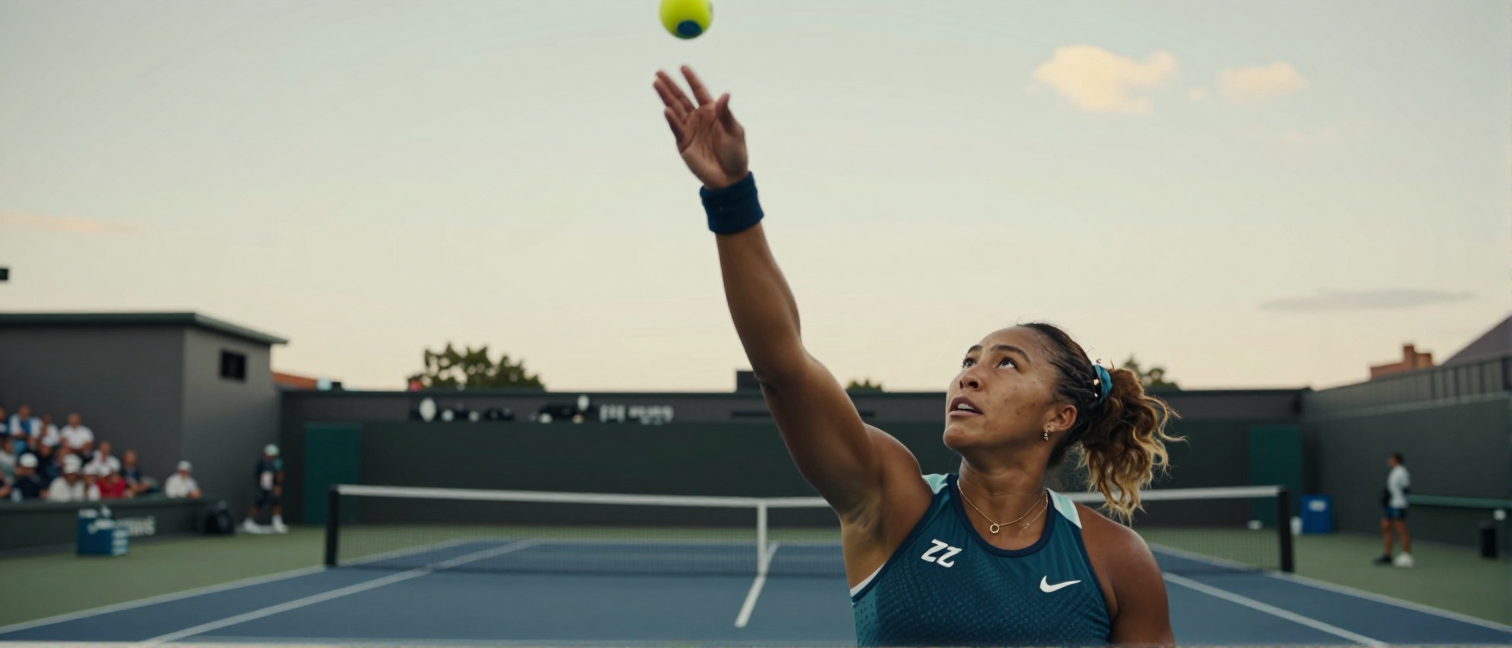
Naomi Osaka stormed into the Wimbledon quarter‑final on 4 July 2026, shedding a traditional kimono for a performance‑focused outfit and delivering a win that underscores her renewed dedication to tennis.
What happened?
Osaka entered the Centre Court in a sleek, functional kit rather than the kimono she had sported in earlier rounds. The change coincided with a decisive victory over Elena Rybakina, the 2022 Wimbledon champion, who fell 6‑3, 6‑4. Osaka’s serve was crisp, landing 12 aces, and she broke Rybakina’s serve three times. The win propelled her into the last eight, marking her deepest run at the All England Club since her 2019 title.
Why it matters for Naomi Osaka
The outfit switch was more than a fashion statement; it answered a promise Osaka made after a mixed‑media interview in March, where she pledged to “focus on tennis, not the narrative.” Critics had questioned whether her off‑court ventures were distracting her game. By opting for a performance‑oriented wardrobe, Osaka sent a clear signal to fans and analysts that she is prioritising match preparation.
Her quarter‑final berth also revives talk of a potential return to the world No. 1 ranking. Osaka entered Wimbledon ranked No. 12, and a deep run could see her climb back into the top five, especially with points from the French Open still on the board. The win adds 360 ranking points, a sizable boost in a tightly contested top‑ten battle.
How the match unfolded
Osaka started strong, delivering a blistering first‑serve percentage of 71 %. She forced a break early in the first set, then held serve comfortably. Rybakina fought back, saving two break points in the second game, but Osaka’s aggressive baseline play kept the pressure on. A mid‑match rally of 18 shots ended with Osaka lobbing a winner that landed just inside the baseline, sealing the first set.
In the second set, Osaka’s return game sharpened. She read Rybakina’s serve, converting three break points to go up 3‑1. The Japanese star’s forehand, now back to its classic depth, dictated play. Rybakina managed a single break to 4‑4, but Osaka answered with an ace on her next serve, then closed the set with a backhand down the line.
What comes next?
Osaka now faces Aryna Sabalenka, the world No. 2, in the quarter‑final scheduled for 6 July 2026. Sabalenka, a powerful baseliner, will test Osaka’s renewed focus and tactical adjustments. Analysts expect a tight contest; Osaka’s recent form suggests she can challenge the higher‑ranked opponent.
Off the court, Osaka’s decision to prioritize tennis may influence her endorsement lineup. Brands have noted her shift, hinting at new performance‑focused partnerships. The move could also affect her upcoming schedule, with rumors that she may skip the US Open to preserve her health for the Asian swing.
Fans and pundits alike will watch how Osaka balances her cultural expression with elite competition. If she continues this trajectory, the next few weeks could reshape her legacy and reignite a rivalry with the sport’s current elite.